
Investing in Zanzibar Real Estate: Guide and Prices
This article explains how to safely invest in Zanzibar real estate, covering tourism-driven demand, legal ownership structures (leasehold and the Condominium Act), ZIPA certification, transaction steps and typical costs. It analyzes regional price differences—premium north (Nungwi/Kendwa), rising east (Paje/Jambiani) and new developments like Fumba Town—plus realistic rental yields and maintenance costs. Practical guidance includes an 8-step buying process for foreigners, required documents, due diligence tips, and how the Zanzibar Golden Visa (Class C11) works. The piece highlights risks, ROI scenarios and recommendations to prioritize ZIPA-certified projects and local legal advisors for secure investment.

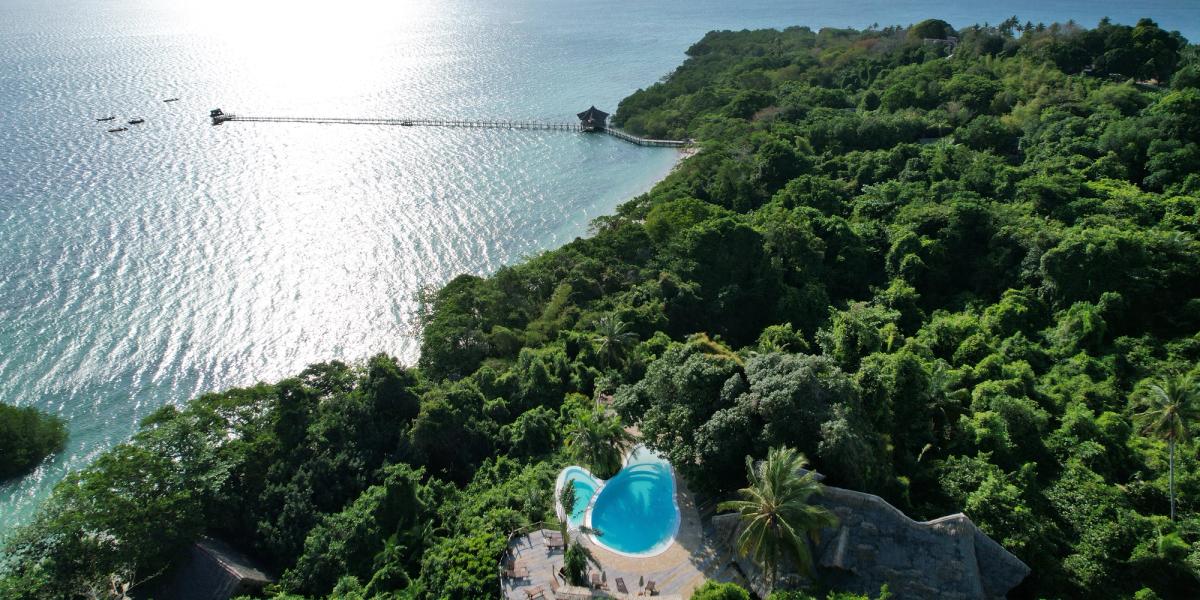
Forget dreams of a hut made of palm leaves. The real estate market in Zanzibar in 2026 is a hard game for high returns and capital protection outside Europe. Here is a complete article, on how to safely buy land and apartments in Zanzibar while avoiding legal mines.
Zanzibar has stopped being just an exotic postcard. In an era of global uncertainty and inflation in the Eurozone, this autonomous region of Tanzania has grown into one of the most sought-after emerging markets in the Real Estate sector. Thanks to the government's aggressive policies, new visa regulations and the expansion of Abeid Amani Karume airport, the island is attracting capital from Dubai, the United Kingdom, Western Europe and increasingly – from the USA.
As Globihome experts, we will not write about the color of the ocean. We will write about ROI, taxes, property law and risk.
Why Zanzibar Real Estate Is Gaining Strength?
If we had to point to one hard driver of demand for real estate Zanzibar, it is tourism – and on a scale that is starting to make a difference for the rental market, land prices and new developments.
What Has Changed in Zanzibar Over the Past 5 Years?
In 2020, 260,644 tourists arrived in Zanzibar. In 2025? Over 917,000 – and that's only up to the end of the calendar year.
This is not statistical noise. This is a +250% trajectory over five years that has transformed the island from an alternative destination for backpackers into a full-fledged, global hub of premium tourism.
According to data cited in regional media, the number of tourist arrivals rose from approx. 736k in 2024 to approx. 917k in 2025 (approx. +25% y/y). In December 2025 it was reported over 100k arrivals in a single month.

What Does This Mean in Practice for Investors and Real Estate Agents?
- Short-term rentals stop being a “seasonal curiosity” – they become a market you can model in Excel.
- Premium supply is limited: the coastline, tourist zones, planning restrictions and procedures (ZIPA, permits) mean that “prime beachfront” does not grow as fast as demand.
- International clients want a "secure ownership structure" – and here Zanzibar has clear rules: long leasehold instead of freehold.
Legal Revolution: Can a Foreigner Really Buy Land in Zanzibar?
This is the most important myth we must dispel so you can understand the investment structure. Many conflicting pieces of information circulate online. Here are the facts as of 2026.
The Myth of Absolute Ownership (Freehold)
In Zanzibar there is no freehold land ownership law for anyone – neither locals nor foreigners. All land belongs to the government.
Reality: Standard Leasehold vs. Condominium Act
As a foreign investor you have two paths to legalize a purchase. Choosing the right one determines the safety of your money.
- Standard Leasehold (Land Lease): You receive the right to use the land for 33, 66, or 99 years. After that period the agreement is usually renewable.
- Risk: If you buy land directly from a local farmer (or through unclear agreements), you risk the government invalidating the transaction.
- Condominium Act: This is a "game changer" for investors. It allows foreigners to purchase a delineated unit (apartment/villa) within a large development project and obtain a Title Deed to the building itself, while sharing in the land lease.
Key Globihome tip: In 2026 the only path we recommend for passive investors is purchasing in projects certified by ZIPA (Zanzibar Investment Promotion Authority). Only ZIPA guarantees legal foreign exchange transfers and government-level investment protection.

Property Prices in Zanzibar – Analysis by Location
Zanzibar is not uniform. Each coastline caters to different clients and different prices.
North (Nungwi, Kendwa): Premium Zone
Here the ocean does not "retreat" during low tides, which makes these beaches the best on the island.
- Characteristics: Luxury 5* hotels, expensive land, mass tourism.
- For whom: Investors with large portfolios (>300 000 USD), seeking stable occupancy for 10–11 months a year.
- Price per night: 250 - 800 USD per apartment.
East (Paje, Jambiani, Matemwe): The New Wave’s Mecca
This is where the heart of the "new Zanzibar" beats. Kitesurfing, coworking and nightlife.
- Characteristics: Strong tides (the ocean retreats by several hundred meters), but it makes up for it with a unique "boho-luxury" atmosphere.
- Growth potential: Highest. Land prices in Paje are rising the fastest (even 15-20% y/y).
- Investment model: Villas with private pools and aparthotels focused on short-term rentals.

South and Fumba Town: The New City
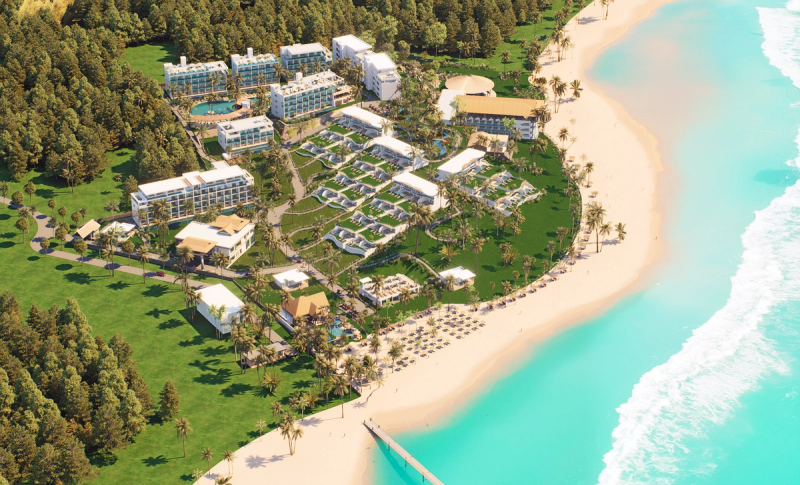
The Fumba Town project is a modern neighborhood being built from scratch.
- Characteristics: Urban infrastructure, schools, security.
- For whom: Expats planning to relocate permanently and investors seeking long-term rentals, which are rare in the north.
How Much Does a Villa, Apartment and Plot Cost in Zanzibar – Real Prices 2026
Forget about average prices "in Zanzibar." The market is so diverse that giving a single number would be misleading. Here are the real ranges:
Apartments
| Type | Location | Price (USD) |
|---|---|---|
| Studio 30–40 m² | Stone Town | 50 000 – 80 000 |
| 1 bedroom 50–70 m² | Paje / Jambiani | 80 000 – 150 000 |
| 2 bedrooms 80–120 m² | Nungwi / Kendwa | 150 000 – 280 000 |
| Penthouse with terrace | Fumba | 200 000 – 400 000 |
Villas
| Type | Location | Price (USD) |
|---|---|---|
| 2 bedrooms with pool | Jambiani | 200 000 – 350 000 |
| 3 bedrooms with pool | Paje | 300,000 – 500,000 |
| Luxury villa 4+ bedrooms | Nungwi / Matemwe | 450,000 – 800,000 |
| Frontline beach villa | Kendwa | 700,000 – 2,000,000+ |
Plots
| Type | Location | Price (USD/m²) |
|---|---|---|
| Rural plot (no beach) | Interior | 20 – 40 |
| Near-beach plot | Jambiani / Michamvi | 40 – 80 |
| Premium beachfront plot | Nungwi / Kendwa | 80 – 120 |

Investment Returns – Rental Yields for Property in Zanzibar
Rental yields in Zanzibar significantly exceed other Indian Ocean destinations and most European holiday markets. The key to success is choosing the right location and professional property management.
Yield by segment:
| Segment | Location | Yield | Average nightly rate |
|---|---|---|---|
| Luxury villas | Nungwi, Kendwa, Paje | 12–15% | 150–500 USD |
| Coastal apartments | Paje, Jambiani | 10–12% | 80–150 USD |
| City apartments | Stone Town, Fumba | 6–8% | 50–100 USD |
If you want to compare Zanzibar to other destinations, feel free to check the latest real estate news about Southern Cyprus, Dubai, Spain or other European countries.

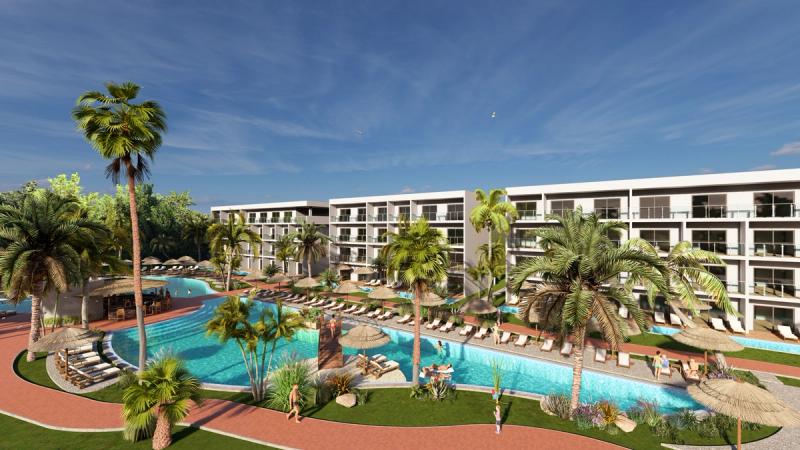
How Can Foreigners Buy Property in Zanzibar?
Can foreigners buy property in Zanzibar? Yes – but under long-term leasehold (up to 99 years). Zanzibar is one of the few tropical destinations where foreigners can purchase property without the need for a local partner.
Ownership System in Zanzibar:
All land in Zanzibar is owned by the state. Foreigners obtain rights to property through leasehold (long-term lease) for periods of 33, 66 or 99 years – with the possibility of extension and resale. Leasehold is also heritable, which means it can be passed on to heirs.
8 Steps to Buying Property in Zanzibar:
- Property identification – working with a licensed real estate agent
- Signing the Offer to Purchase – payment of a 10% deposit into an escrow account
- Legal due diligence – verification of legal title, encumbrances, and plot boundaries
- Obtaining ZIPA approval – Certificate of No Objection (mandatory for foreigners)
- Preparation of the sale agreement – by a local lawyer (in English and Swahili)
- Payment of taxes and fees – stamp duty, registration fees
- Registration of the leasehold – in the Zanzibar Land Registry
- Handover of the property – receiving keys and documents
Average procedure time: 2–3 months from offer acceptance to lease registration. Simple transactions (resales in approved projects) can be completed in 60–90 days.
Required documents:
- Passport (notarized copy)
- Proof of source of funds
- Sale and Purchase Agreement
- ZIPA Certificate (Certificate of No Objection)
- Proof of stamp duty payment
- Registered copy of the lease
Important: Tanzanian and Zanzibari law differ significantly. Zanzibar has a separate legal system from mainland Tanzania. Always use a lawyer specializing in Zanzibari law. At the end of the article you will find contact details for a real estate expert on Zanzibar recommended by us. You may refer to Globihome.

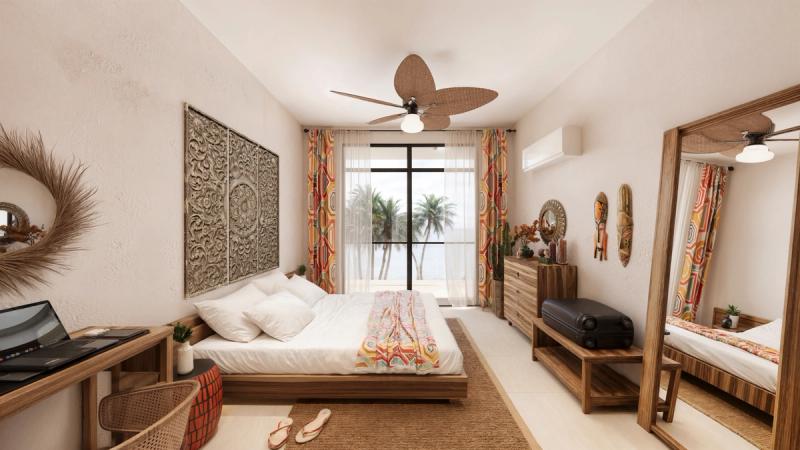
Costs of Buying and Maintaining Property in Zanzibar
When planning a property purchase in Zanzibar, consider additional transactional costs of about 6–12% of the property's value.
Transaction costs:
| Cost | Rate |
|---|---|
| Stamp duty (tax fee) | 5% of the property's value |
| Registration fees | 1–2% |
| Lawyer's fee | 1–3% (minimum ~500 USD) |
| Valuation and inspection | 300–600 USD |
| ZIPA fee | 200–500 USD |
Annual maintenance costs:
| Cost | Rate |
|---|---|
| Leasehold fee (ground rent) | 1–5 USD/m² per year (depending on location) |
| Property insurance | 0.15–0.35% of value |
| Rental management | 20–25% of rental income |
| Apartment maintenance (utilities, cleaning) | 100–200 USD/month |
Golden Visa Zanzibar – How to Obtain a Residence Permit in Zanzibar
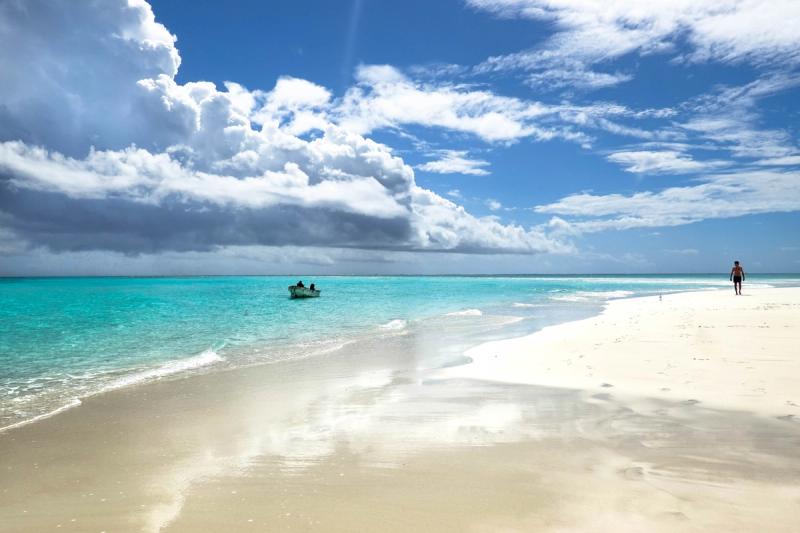
Since mid-2024 Zanzibar offers Class C11 Real Estate Residence Permit – commonly called Golden Visa Zanzibar. The program allows obtaining a residence permit in exchange for a property investment.
Golden Visa Zanzibar Program Requirements:
| Item | Details |
|---|---|
| Minimum investment | 100,000 USD in a project approved by ZIPA |
| Validity period | 2 years (automatically renewable while ownership is maintained) |
| Issuance fee | ~550 USD (300 USD for EAC citizens) |
| Covered persons | Investor + spouse + up to 4 children |
| Right to work | No (residence permit, not a work permit) |

FAQ – Frequently Asked Questions about Buying Property in Zanzibar
Summary: Is It Worth Buying Property in Zanzibar?
The real estate market in Zanzibar in 2026 offers a unique combination of factors that make it attractive to international investors. The island has undergone a transformation into a luxury premium destination comparable to Caribbean resorts.
Zanzibar – Key Benefits of Real Estate Investment:
- Record tourism: In 2025 Zanzibar recorded over 917,000 international tourists – a 25% increase compared to 2024. Forecasts point to exceeding 1 million visitors.
- High returns: Seafront villas generate 12–15% annual yields from short-term rentals.
- Stable value growth: Property prices increase on average by 7–10% per year, and in premium locations (Nungwi, Paje) even by 10–15%.
- 99-year leasehold system: Foreigners can acquire property without a local partner – a rarity in tropical countries.
- Golden Visa: An investment from 100,000 USD in an approved project entitles the investor to a 2-year residence permit (renewable), covering a spouse and up to 4 children.
- Dynamic infrastructure development: Modernization of Abeid Amani Karume International Airport (Terminal 3), new roads and ferry connections to the mainland.
Tourism currently accounts for about 30% of Zanzibar's GDP, and this sector employs thousands of residents directly or indirectly. The government actively supports foreign investment through the Zanzibar Investment Promotion Authority (ZIPA), offering tax incentives and streamlined procedures.
At Globihome we work with local real estate market experts in Zanzibar. If you are planning a property purchase in Zanzibar and are looking for reliable contacts for agents and advisors, please get in touch. Our partner will help you find a property matched to your goals.