

How to Rent an Apartment in Sweden: Tips for 2025
This guide explains how to rent out an apartment in Sweden safely, legally, and profitably. It covers why the Swedish rental market is attractive, typical rental prices in cities like Stockholm, Gothenburg, Malmö, and Uppsala, and the differences between first-hand and second-hand rentals. You will also learn key legal requirements, what a rental contract should include, how to handle deposits and taxes, and how to screen tenants effectively. The article also shares practical landlord tips, property management advice, and alternative options if you prefer to sell instead of rent. Globihome prepared it with trusted Swedish market experts.

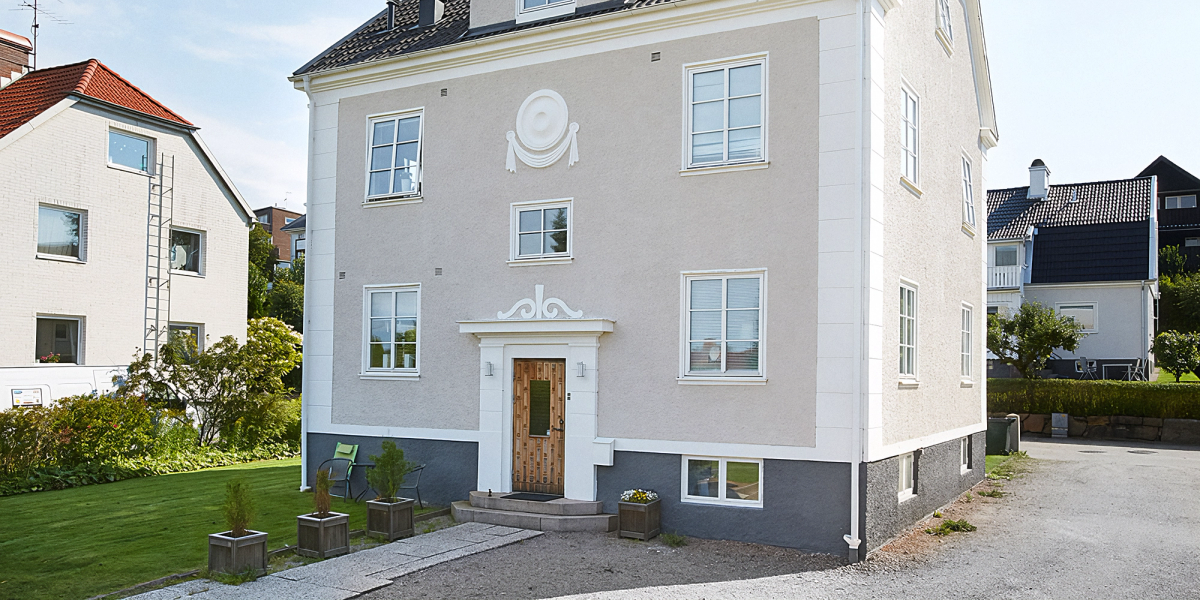
Renting out an apartment in Sweden can be an excellent opportunity to generate steady passive income. In this country, there is strong and unsatisfied demand for rental properties, especially in key cities such as Stockholm, Gothenburg, Malmö and Uppsala, where the supply of apartments is limited. However, the process of renting out property in Sweden is not as simple as publishing an ad. It requires in-depth knowledge of local regulations, compliance with legal and tax requirements, and an understanding of how this specific rental market.
Want to find out how to rent out an apartment in Sweden? At Globihome, together with trusted experts in the Swedish market, we have prepared an article in which you will find everything you need to know, to rent out your apartment in Sweden safely, legally, and profitably.
Sweden Rental Market 2026: Why Is It Worth Renting Out an Apartment?
The housing market in Sweden has unique features that make it attractive both for owners who want to profit from their apartment and for investors seeking to diversify their assets in a stable country.
High Rental Prices Sweden: Demand Exceeds Apartment Supply
Finding an apartment to rent in Sweden is not an easy task. In large cities, there are years-long waiting lists for a first-hand rental contract (förstahandskontrakt). For an owner, this means that the likelihood of vacancy is very low, provided a reasonable price is set and the apartment is kept in good technical condition.

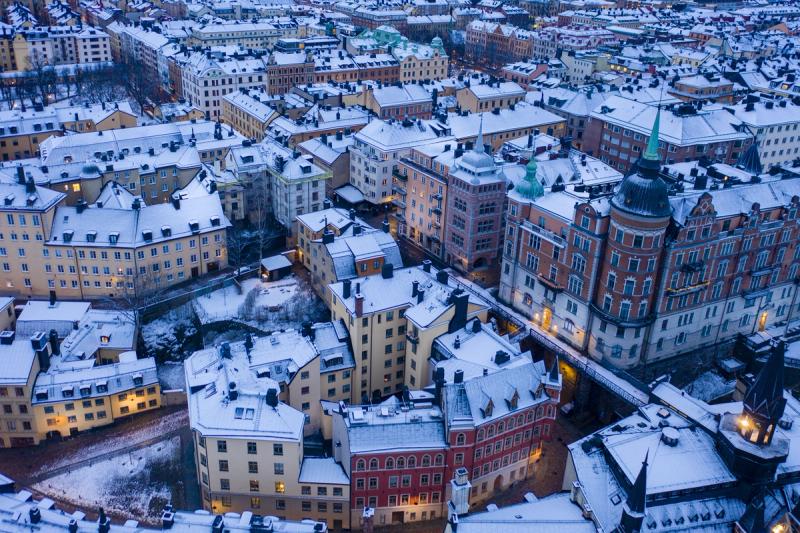
Stability and Legal Security for Landlords in Sweden
Sweden is one of Europe's most economically stable countries, with a low rate of payment arrears and a legal system that effectively protects both tenants and landlords. Although rental law in Sweden limits full freedom in setting prices, it also offers safeguards against abuse and disputes. The rules of the game are clear, and legal mechanisms make it possible to resolve any conflicts efficiently.
Foreign Professionals and Students – Ideal Tenants in the Swedish Market
In cities such as Stockholm, Malmö, and Gothenburg, the number of international professionals and students looking for temporary or long-term accommodation is growing rapidly. This tenant profile is usually financially stable and willing to pay for a well-located apartment, which translates into regular rental income for the owner.
How much does renting an apartment in Sweden cost? Rental prices in 2026

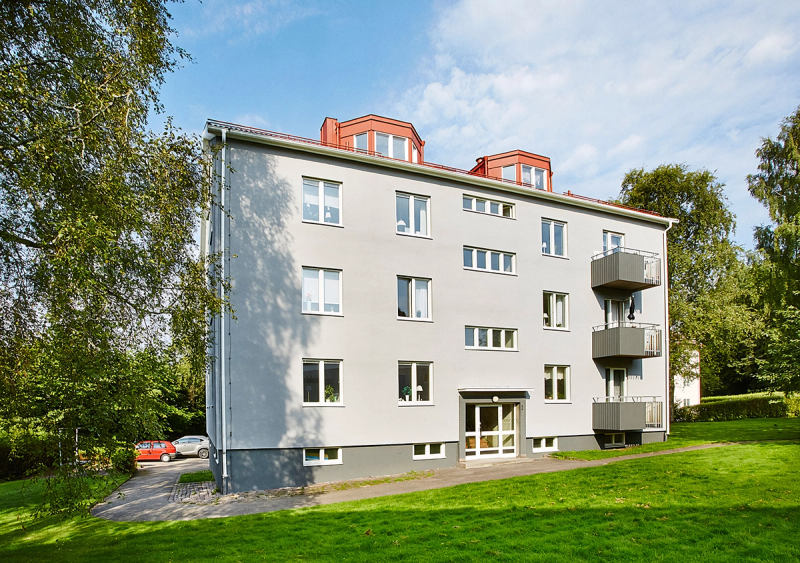
Rental prices in Sweden vary significantly depending on the city and type of apartment. In the rental market in Sweden in 2026, we observe the following average rates:
Apartment Rental Prices Stockholm:
- Studio apartment (1 rum och kök): 8 000 - 13 000 SEK/month
- 2-room apartment: 12 000 - 20 000 SEK/month
- 3-room apartment: 15 000 - 25 000 SEK/month
Apartment Rental Prices Gothenburg:
- Studio apartment: 6 500 - 10 000 SEK/month
- 2-room apartment: 9 000 - 15 000 SEK/month
- 3-room apartment: 12 000 - 19 000 SEK/month
Apartment Rental Prices in Malmö:
- Studio: 5 500 - 9 000 SEK/month
- 2-room: 8 000 - 13 000 SEK/month
- 3-room: 10 000 - 16 000 SEK/month
Apartment Rental Prices in Uppsala:
- Studio: 6 000 - 9 500 SEK/month
- 2-room: 8 500 - 14 000 SEK/month
- 3-room: 11 000 - 17 000 SEK/month
How much does it cost to rent an apartment in Sweden also depends on whether it is a förstahand (first-hand) contract with regulated rent under the principle of bruksvärde, or andrahand (second-hand) with a more flexible pricing structure.

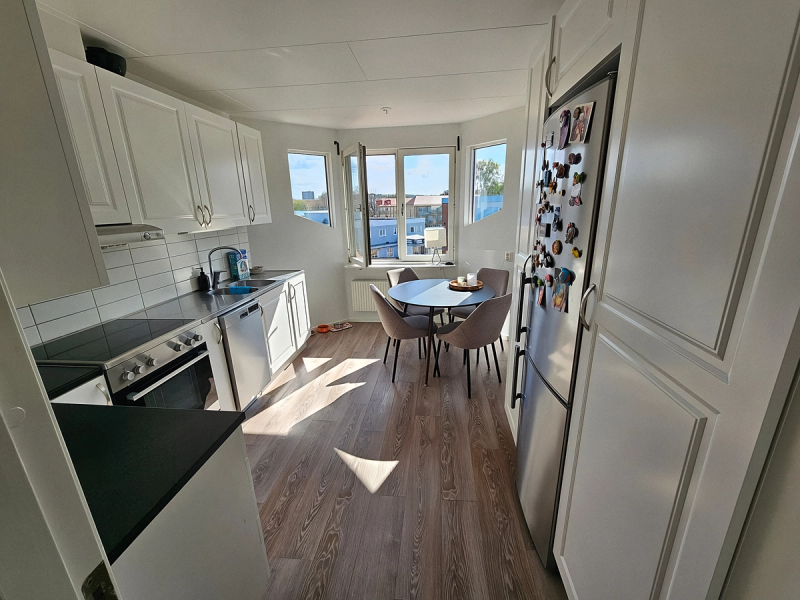
Types of Rental Agreements in Sweden: Förstahand vs. Andrahand – Which to Choose?
In Sweden, there are various forms of property rental, each with specific rules and a different degree of protection for both the landlord and the tenant. Knowing the features of each agreement is key to making the best decision depending on your personal situation, the type of property, and your goals.
First-Hand Rental (Förstahandskontrakt): Stability and Security
A first-hand rental agreement is the most stable and secure form of rental in Sweden. It is signed directly with the property owner or, in most cases, with municipal or private housing companies known as bostadsbolag.
One of its main features is that the rent amount is regulated by law and is based on the so-called “fair rent” (bruksvärde), which prevents arbitrary rent increases by the landlord. This gives the tenant financial predictability and prevents abuse in the market. In addition, this type of agreement offers strong legal protection: as long as the tenant fulfills their obligations (on-time payments and taking care of the apartment), the owner cannot terminate the contract without a justified reason. On the other hand, the landlord must maintain the property, carry out necessary repairs, and guarantee access to basic services such as heating, water, and electricity.
In practice förstahandskontrakt is the most sought-after option for people who want to live in Sweden permanently, as it provides stability over time and the possibility of establishing a home with greater legal security.
Second-Hand Rental (Andrahandsuthyrning): Flexibility and Subletting Rules
Second-hand rental occurs when a tenant who already has a first-hand rental agreement decides to sublet all or part of the apartment to another person. This type of agreement is very common in cities with high demand for housing, because it allows people who have not obtained förstahandskontrakt, for access to temporary accommodation. In contrast to first-hand contracts, subletting prices are more flexible and, in many cases, higher. However, there are legal restrictions:
- The primary tenant must set a reasonable price that is tied to the original rent and any additional costs that may be included (e.g. furniture or services).
- If the second-hand tenant believes the price is inflated, they have the right to file a complaint with the Rent Board (Hyresnämnden) and demand a refund of the overpaid amount.
It is important to emphasize that subletting always requires the explicit consent of the landlord or, in the case of apartments managed by housing cooperatives (bostadsrättsförening), the board. If consent is not obtained, the first-hand tenant may risk losing their main contract, and the subtenant may be left without legal protection.
In summary, andrahandsuthyrning offers flexibility and can be a practical solution for temporary stays, but it comes with less legal security than a first-hand contract and requires greater caution to avoid legal conflicts.

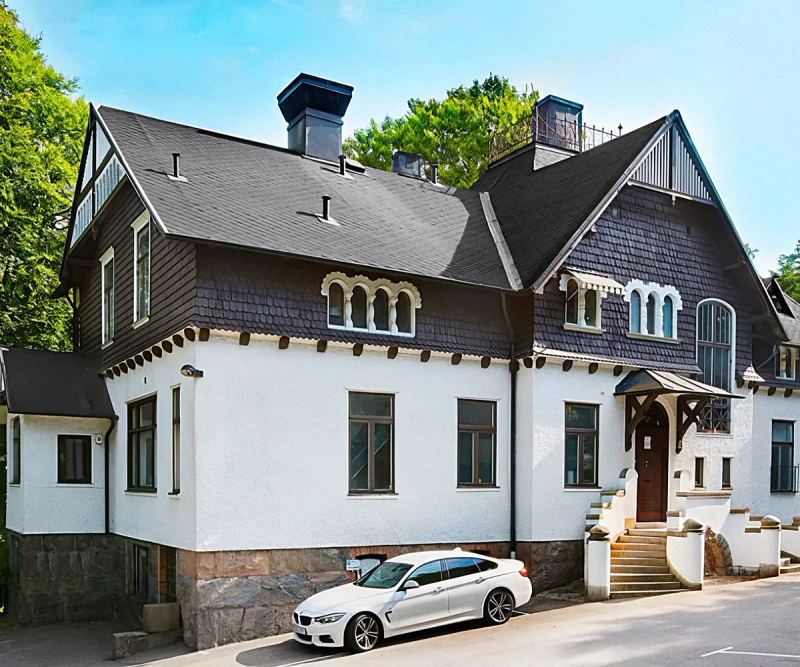
How to find an apartment for rent in Stockholm with a förstahand contract?
The most popular way to obtain förstahandskontrakt in Stockholm is bostadsförmedlingen - the municipal queue system. To rent through bostadsförmedlingen jak działa:
- Register on the bostadsförmedlingen.se platform
- Pay a monthly membership fee (approx. 250 SEK/year)
- Collect "queue days" (kötid) - the longer you wait, the better your chances
- Apply for available apartments
- The average waiting time in central Stockholm is 7-10 years
Swedish Rental Law: Legal Requirements for Property Owners
Apartment Technical Condition: How to Prepare a Property for Rent?
Before you list your apartment for rent in Sweden, it is crucial that it meets the minimum habitability requirements. Swedish law protects the tenant and states that certain elements must be in impeccable condition:
- Safe electrical installations: all wiring, sockets, switches, and electrical systems must function properly and comply with applicable regulations. A fault can create a fire risk or result in legal penalties.
- Plumbing in good condition: taps, pipes, drains, and water heating systems must be operational and leak-free. Plumbing issues are one of the most common causes of disputes between landlords and tenants.
- Proper heating and thermal insulation: due to Sweden's cold climate, having proper heating and good insulation is mandatory. An apartment without adequate heating is not only uninhabitable in winter, but may also lead to fines or termination of the contract due to failure to meet the requirements.
- A clean apartment ready for immediate use: before handing over the keys, the apartment must be clean and all basic installations must be working. This includes the kitchen, bathroom, and appliances, if provided.
Meeting these requirements not only helps avoid penalties, but also increases tenant satisfaction and reduces the likelihood of damage caused by improper use of faulty installations.

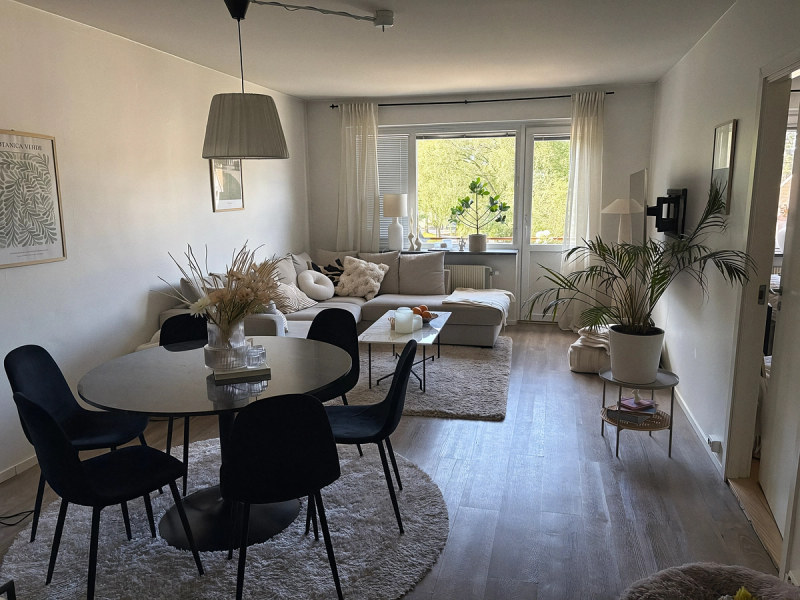
Hyreskontrakt: What Should a Rental Agreement Include? Mandatory Clauses
In Sweden, all rental agreements must be formalized in writing. A solid contract protects both the landlord and the tenant, and serves as a reference point in the event of legal disputes. It must include at least:
- Landlord and tenant details: full names, address, and contact details.
- Exact address and description of the apartment: size, number of rooms, included furniture, etc.
- Term of the agreement: may be fixed-term (e.g. 6 months or 1 year) or indefinite, with clear terms for extension or termination.
- Rent price and included charges: specify which services are covered (water, heating, electricity, community fees, internet) and how payments will be adjusted.
- House rules: rules regarding noise, pets, use of common areas, maintenance, and minor repairs.
- Procedures in case of early termination of the agreement: how it should be reported and what deadlines must be observed.
A complete agreement reduces risk, prevents misunderstandings, and makes it easier to resolve conflicts quickly.
Hand-over Report: How to Document the Condition of the Apartment Effectively?
Before handing over the keys, it is advisable to prepare a detailed inventory of the property's condition. This document may include:
- Dated photos, showing each room, included furniture, and any damage.
- Written condition descriptions of the floors, walls, appliances, and accessories.
- A list signed by both parties, confirming a joint inspection.
Such a record will be crucial in the event of a dispute concerning the deposit after the agreement ends. If a dispute arises, having objective evidence protects the landlord from unfounded claims and the tenant from unjustified charges for pre-existing damage.
Deposit (Hyresdeposition): How to Manage It Legally and Safely?
The deposit, known as hyresdeposition, is security that protects the landlord against possible damage or payment arrears. Usually, its amount ranges from one to three months' rent. A few recommendations:
- Separate account: keep the deposit in an account separate from your personal finances, for greater transparency.
- Full refund: after the agreement ends, the deposit must be returned if the apartment is in good condition.
- Justification for deductions: if there is damage or outstanding charges, they must be documented with invoices, photos, or detailed reports.
Proper deposit management increases tenant trust and reduces the risk of legal disputes.
Rental Taxes in Sweden: How to Settle Income and Benefit from Deductions?
All rental income in Sweden is subject to income tax. As a landlord, you must make sure you comply with the regulations to avoid fines and penalties.
- Declaring income: all payments received must be included in the annual tax return.
- Possible deductions: maintenance, repair, and administrative costs can be deducted, reducing the tax burden.
- Professional advice: if you do not live in Sweden or are unfamiliar with the tax system, it is recommended to use the services of a local advisor.
Incorrectly declaring income can lead to interest charges, additional fees, and severe penalties, so transparency and planning are key to safe management. If you need advice on rental taxes in Sweden, you can contact Skatteverket (Swedish Tax Agency).
How to Set Rent for an Apartment in Sweden so It Is Legal and Competitive?

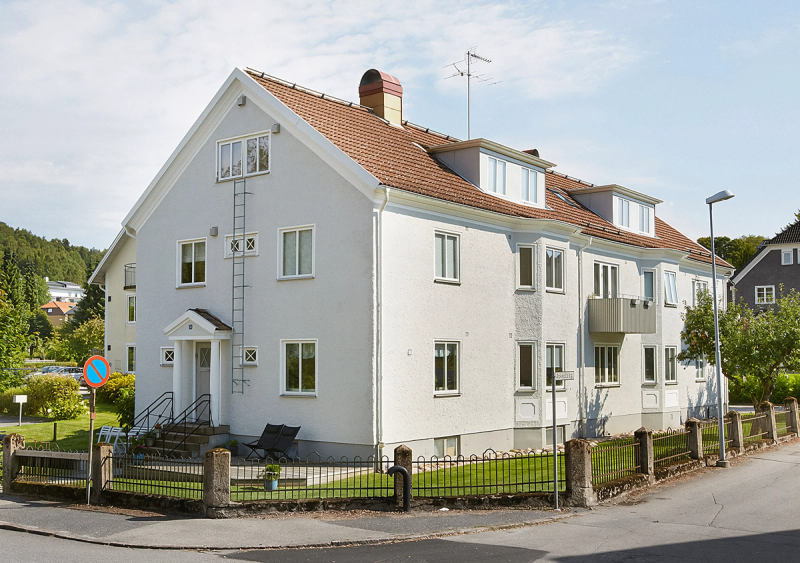
Regulated Rent: Rules for Setting Prices in Contracts Förstahand
Rental prices in Sweden in the system förstahand must comply with the principle of bruksvärde (fair rent). This means that how much it costs to rent an apartment in Sweden cannot be set arbitrarily by the owner, but must correspond to:
- Apartment location
- Area and layout
- Condition of the apartment
- Included services
- Prices of comparable apartments in the area
The bruksvärde system ensures that rental prices in Sweden remain reasonable and predictable for tenants.
Andrahand Rental - Price Flexibility in Subletting
In the case of andrahand you can set the price more freely, but there are still limitations. If the tenant believes they have paid too much, they can file a complaint with Hyresnämnden (Rent Board).
Advice for Landlords in Sweden: How to Manage Rental Without Conflicts?

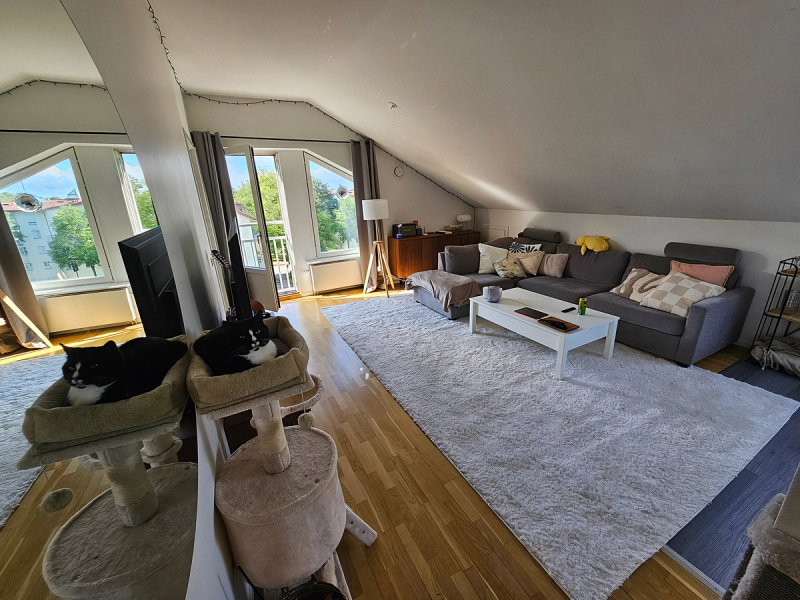
Being an owner and renting out property in Sweden is not only about following legal regulations, but also about applying good practices that will ensure smooth relations with tenants and reduce risk. Below are some key recommendations for those who want to manage their property effectively and safely.
Tenant Screening: How to Check Financial Capacity and References?
Choosing the right tenant is a crucial step in avoiding future problems. In addition to personal criteria, it is worth establishing a clear and objective selection process:
- Ask for professional references: confirmation that the candidate has stable employment or regular income is essential to ensure timely payments.
- Ask for references from previous landlords: this will allow you to learn about the tenant’s behavior history in previous rentals, including payment punctuality, care for the apartment, and relations with neighbors.
- Check financial capacity: in addition to income, it is worth making sure that the tenant has no significant registered debts. You can check this in Kronofogden (Swedish Enforcement Authority)
Careful screening minimizes risk and increases the likelihood of building a stable and long-lasting relationship between the landlord and the tenant.
Good Practices in the Tenant Relationship
Good day-to-day rental management not only protects the value of the property, but also helps build trust with the tenant. Among the most useful recommendations are:
- Quick response to incidents: quickly dealing with repairs or maintenance issues demonstrates responsibility and prevents problems from getting worse.
- Keeping the apartment in excellent condition: regular inspections, painting from time to time, and replacing worn-out equipment increase tenant satisfaction and raise the property’s value.
- Keeping all documentation: contracts, proof of payments, and correspondence should be kept in an organized manner, as they may be decisive in the event of a legal or tax dispute.
Prevention and open communication are usually the key to avoiding conflicts and maintaining harmonious relations.
Property Management by an Agency: When Is It Worth It?

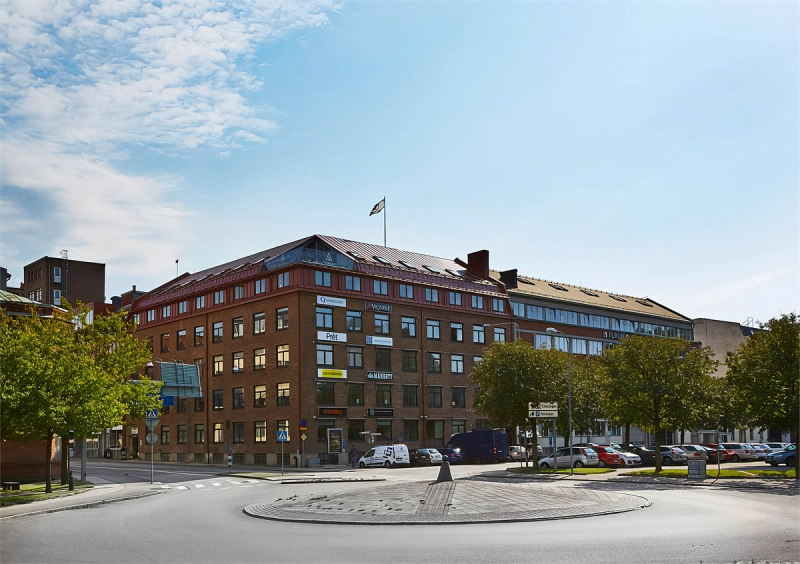
In many cases, owners prefer not to deal directly with rental management, whether because they live abroad, lack the time, or simply want to avoid administrative complications. In such situations, entrusting this task to a professional real estate agency may be the best solution. Agencies offer comprehensive services that include:
- Searching for and selecting reliable tenants.
- Preparing and signing contracts in accordance with Swedish law.
- Preventive and repair maintenance of the apartment.
- Collecting rent and monitoring payments.
Although this service involves additional costs, it can pay off by providing peace of mind, legal security, and efficient property management.
Rent or Sell? Alternative Solutions for Property Owners
Renting is profitable, but it also requires time and responsibility. If you prefer immediate financial liquidity and want to forget about management, you can sell your apartment to a specialized development company. Mqvist Fastigheter is a development company that buys apartments directly from owners, renovates them, and then rents them on the Swedish market.
- You receive money quickly and safely.
- You don’t worry about contracts, taxes, or maintenance.
- You gain complete peace of mind.