
Porto Property Prices, Districts and Taxes Guide
Porto is one of Portugal’s most attractive real estate markets, offering lower entry prices than Lisbon, steady value growth, and strong rental demand. This article reviews current property prices in Porto, compares the most interesting districts for buying and renting, and explains where investors can find the best rental yields. It also covers the legal purchase process, required documents, transaction costs, and key taxes such as IMT and Imposto do Selo. In addition, the guide outlines the current status of the Golden Visa, the end of the classic NHR regime, and the main factors that make Porto appealing for investment, a second home, or long-term rental income.

Porto is increasingly appearing alongside Lisbon and the Algarve in discussions about real estate investment in Portugal. The country’s second-largest city offers a lower capital entry point than the capital, a strong rental market driven by students, expats, and tech companies, as well as the climate and architecture that more and more Europeans from the north of the continent long for. In this article, you will find current property prices in Porto in 2026, the best neighborhoods for buying and renting, real yield data, and the step-by-step purchase process together with taxes. Current listings can be found in properties in Portugal on Globihome.
Why buy property in Porto in 2026?
- Prices are still lower than in Lisbon – on average about 3 940 EUR/m² in the city of Porto, compared with about 4 875 EUR/m² in Lisbon and over 4 500 EUR/m² in Cascais or Oeiras, according to data from the Portuguese statistical office INE.
- Controlled growth – prices in the city are rising at a rate of about +1,4% per year, and selected coastal districts are recording even +14,5% y/y.
- Strong rental returns – 4,0–6,5%, which is more than in Lisbon (3,8–4,7%).
- Infrastructure development – construction of the Porto–Lisbon high-speed rail line (the Porto-Oiã section has already been contracted), new metro lines (Rubi, Rosa), and Euribor stable at around 2%, which makes a mortgage easier.
- Safety – Portugal ranks 7th in the Global Peace Index (Spain 23rd), and Porto is one of the safest major cities in Europe.
- Stable tenant base – universities, hospitals, business centers, and tourism generate constant rental demand.
The best neighborhoods for real estate investment in Porto
Current offers in individual neighborhoods can be found in the Globihome search engine.

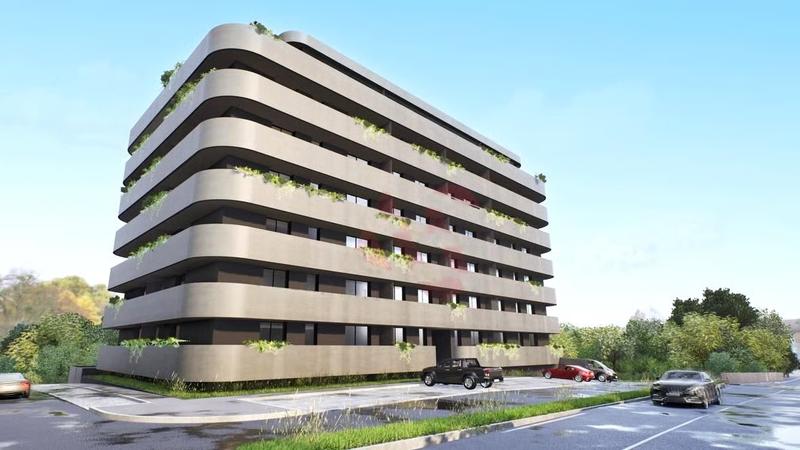
Foz do Douro – the most prestigious seaside district (promenade, beaches, historic forts). Average prices are 4 784 EUR/m², with premium properties at 6 000–12 000 EUR/m². A choice for capital appreciation, not for maximum yield (4–4,5% gross).
Cedofeita – a creative district bordering the city center, popular among freelancers and digital nomads. Prices around 4 486 EUR/m², growth +8,6% y/y.
Bonfim and Campanhã – the highest rental yield in Porto: typically 5,5–6,5% gross, with a lower entry threshold than Foz or Cedofeita. Bonfim has been gentrifying for a decade while retaining its local character and good metro connections.
Vila Nova de Gaia – across the Douro, averaging about 2 817 EUR/m² – the best square footage-to-price ratio, with river and historic center views. Growth +6,3% y/y.
Boavista – a business and family district (offices, schools, parks), prices around 4 500 EUR/m², growth +8,6% y/y.
Baixa, Ribeira, Vitória – a historic center inscribed on the UNESCO list. High image potential, but for several years now there has been a practical moratorium on new short-term rental licenses (more below).
Matosinhos – the Atlantic coast right by the airport, prices around 4 185 EUR/m², growth as high as +14.5% y/y – one of the growth leaders across the entire metropolis.
Property prices in Porto in 2026 – table
| Dzielnica | Śr. cena EUR/m² | Zmiana r/r | Profil inwestora |
|---|---|---|---|
| Foz do Douro | ok. 4 784 | +14,5% | Prestiż, wzrost wartości |
| Cedofeita | ok. 4 486 | +8,6% | Kreatywny, centralny |
| Boavista | ok. 4 500 | +8,6% | Biznes, rodziny |
| Matosinhos | ok. 4 185 | +14,5% | Wybrzeże, lotnisko |
| Vila Nova de Gaia | ok. 2 817 | +6,3% | Cena/metraż |
| Bonfim / Campanhã | 2 200–2 800 | zróżnicowana | Najwyższa rentowność |
| Miasto Porto (średnia) | ok. 3 940 | +1,4% | – |
| Obszar metropolitalny | ok. 2 305–2 500 | zróżnicowana | Budżetowy |
In the premium segment (Foz, the Douro waterfront, the best parts of Gaia), prices reach 6 000–12 000 EUR/m², depending on the view and finish standard.
Rental yield in Porto – how much can you really earn?
Long-term rental is the safest strategy. The average yield in the city of Porto is about 5.0–5.4% (district: 4.7–5.1%, versus the national average of 4.3–4.95%), according to data Global Property Guide. After taxes and maintenance costs, the real net yield is usually 3.0–3.8%. Studios (T0/T1) achieve a higher percentage return than larger apartments, thanks to steady student demand.

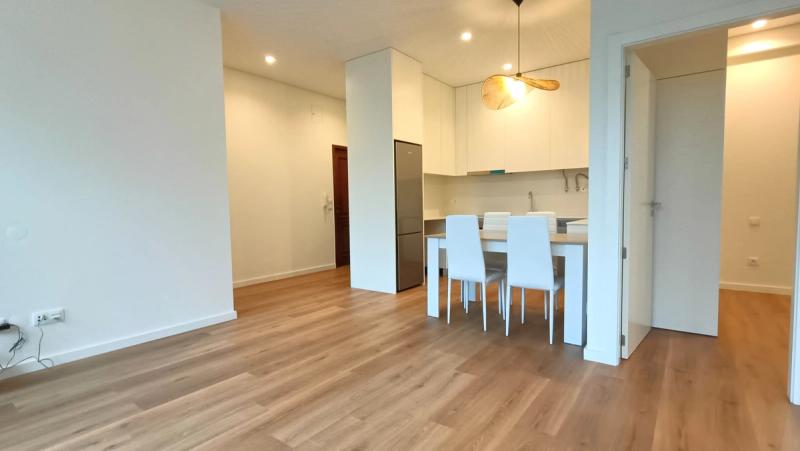
Short-term rental (Alojamento Local) is a more complex topic than some investment websites suggest. In Porto’s historic districts (Baixa, Ribeira, Vitória), the city has introduced a de facto moratorium on new AL licenses, which limits legal tourist rentals in the most obvious locations. In addition, the EU STR regulation (EU 2024/1028), in force since May 2026, standardizes registration obligations across the EU.
How to safely buy property in Porto? Step by step
- Define the purpose of purchase – investment for rental, a second home, or permanent residence determines the choice of district and size.
- Obtain a NIF number – required for any financial transaction in Portugal, free of charge, available in person or through a proxy (important for remote purchases).
- Open a bank account in Portugal – it makes paying the deposit, taxes, and settlements with tenants easier.
- Find a local real estate agent in Porto – they will give you access to listings not yet available online and trusted contacts to notaries. Trusted agents can be found in the Globihome agent directory.
- Verify the legal status – check the Certidão Permanente (no debts or mortgages) and the Caderneta Predial (cadastral document with the VPT tax value).
- Sign the preliminary agreement (CPCV) and pay the deposit – usually about 10% of the property value; the agreement is also needed to verify creditworthiness.
- Completion at the notary – after signing the deed (escritura) and paying the taxes, the property is registered in your name.

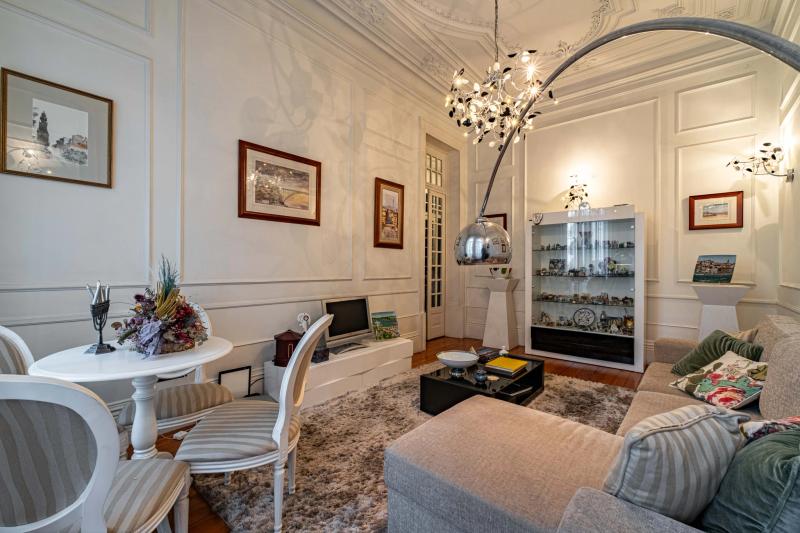
Taxes and costs when buying property in Porto
The rates come from the official IMT tables of the Portuguese tax authority.
| Podatek / koszt | Stawka w 2026 roku | Kiedy płatny |
|---|---|---|
| IMT (od przeniesienia własności) | progresywnie 1–7,5%; powyżej ok. 1 mln EUR stawka stała 7,5% | jednorazowo, przed aktem |
| Imposto do Selo (opłata skarbowa) | stała 0,8% wartości nieruchomości | jednorazowo, przy transakcji |
| IMI (roczny podatek od nieruchomości) | 0,3–0,45% wartości katastralnej | co roku (raty IV/VI/XI) |
| Notariusz, rejestracja, NIF | ok. 1% wartości nieruchomości | jednorazowo |
The total transaction cost of buying property in Porto is usually 8–11% of the property value. People under 35 buying their first property for their own residence can benefit from IMT Jovem relief – the thresholds should be checked individually, as they are updated every year. Rental income for non-residents is normally taxed at a rate of 28%.
Golden Visa and tax incentives – status as of 2026
Important, often overlooked information: since 2023, the direct purchase of real estate no longer qualifies for the Golden Visa (The Portugal News). Today, the qualifying investment is mainly a stake in regulated Portuguese funds (from 500 000 EUR) or a cultural donation (from 200 000 EUR), with a minimum stay of 7 days per year – the full list of funds is compiled by Get Golden Visa. Since May 2026, after the reform of the citizenship law, the period to naturalization has been extended from 5 to 10 years (7 years for citizens of the EU and CPLP countries).
The classic NHR program has been abolished, and its successor is the IFICI regime, aimed at a narrower group of specialists connected with scientific research and innovation – eligibility should be checked individually before linking a purchase with residency plans.
FAQ - Frequently asked questions about property in Porto
Summary – key information about property in Porto
- Prices – on average 3 940 EUR/m² in the city, from 2 800 EUR/m² in Vila Nova de Gaia to 12 000 EUR/m² in the premium segment.
- Best districts for rental – Bonfim, Campanhã, Vila Nova de Gaia.
- Best districts for value growth – Foz do Douro, Cedofeita, Boavista, Matosinhos.
- Profitability – 4.0–6.5% gross from long-term rentals; real limitations for short-term rentals in the center.
- Taxes – IMT, Imposto do Selo and IMI total 8–11% of the property value at purchase.
- Golden Visa – property purchase no longer qualifies; investment funds from 500 000 EUR count.
Porto is today one of the most balanced property markets in Western Europe – it combines value growth potential with stable rental returns, at a lower entry point than in Lisbon. If you are looking for an apartment for sale in Porto or planning a rental investment, browse current property listings in Portugal or contact a Globihome-recommended real estate agent in Porto, who will present offers tailored to your budget and investment strategy.