
Zanzibar’da Gayrimenkul Yatırımı ve Güncel Fiyatlar
Bu rehber, Zanzibar emlak piyasasına yatırım yapmak isteyenler için kapsamlı bilgiler sunar. Turizmin büyümesiyle artan talep, daire, villa ve arsa fiyatları, bölgelere göre yatırım potansiyeli ve kira getirileri detaylı biçimde ele alınır. Yazıda yabancıların Zanzibar’da nasıl gayrimenkul alabileceği, leasehold ve Condominium Act yapısı, ZIPA onayı, gerekli belgeler ve satın alma adımları açıklanır. Ayrıca işlem ve bakım maliyetleri ile Class C11 olarak bilinen Golden Visa Zanzibar hakkında da pratik bilgiler verilir.

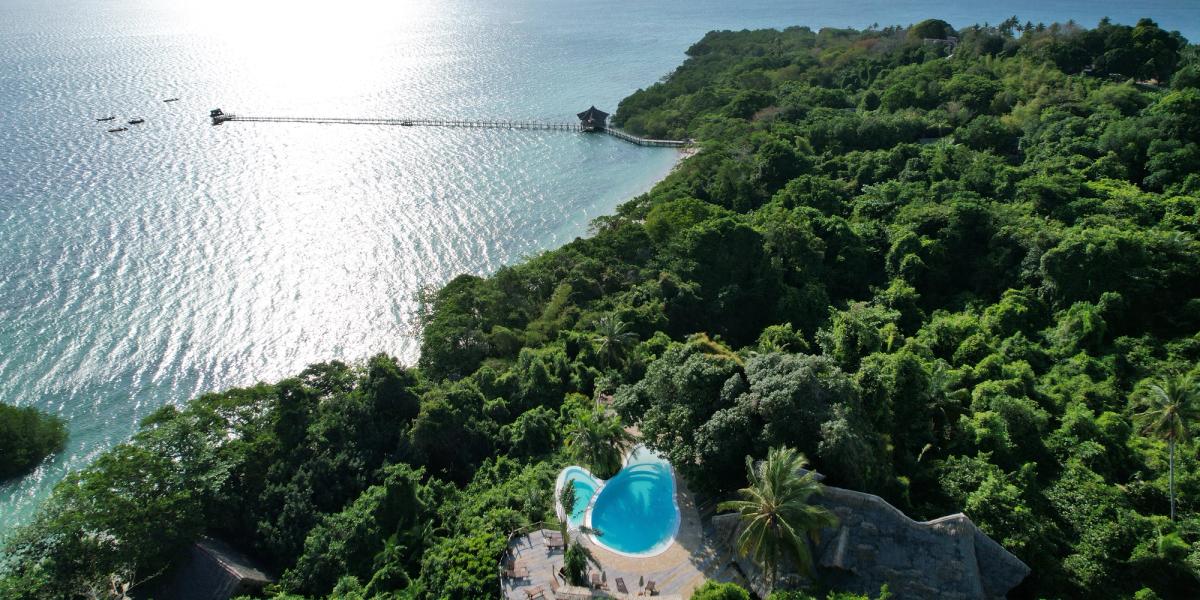
Palmiye yapraklarından kulübe hayallerini unutun. Zanzibar’daki emlak piyasası 2026 yılında yüksek getiri oranları için sert bir mücadele ve Avrupa dışında sermayeyi güvence altına alma savaşıdır. İşte güvenli bir şekilde Zanzibar’da arazi ve daireler nasıl alınır, hukuki tuzaklardan nasıl kaçınılır, tam makale.
Zanzibar artık sadece egzotik bir kartpostal değil. Küresel belirsizlik ve Euro bölgesindeki enflasyon çağında, Tanzanya’nın bu özerk bölgesi en çok arzu edilen yükselen piyasalardan biri Real Estate sektöründe haline geldi. Hükümetin agresif politikası, yeni vize düzenlemeleri ve Abeid Amani Karume havaalanının genişletilmesi sayesinde ada, Dubai, Büyük Britanya, Europy Zachodniej ve giderek daha sık – ABD.
Globihome uzmanları olarak okyanusun rengini yazmayacağız. ROI, vergiler, mülkiyet hukuku ve risk hakkında yazacağız. Zanzibar’da gayrimenkul almayı planlıyorsanız, bu makale sizin için zorunlu bir okumadır. Ayrıca makalenin sonunda, sizin için tam ihtiyaçlarınıza uygun gayrimenkuller hazırlayacak Zanzibar emlak piyasası uzmanının ücretsiz iletişim bilgilerini paylaşıyoruz.
Zanzibar’daki Gayrimenkuller Neden Yükseliyor?
Eğer tek bir somut talep faktörü gösterecek olsaydık gayrimenkul Zanzibar için, bu turizmdir – ve bu, kira piyasası, arsa fiyatları ve yeni yatırımlar için fark yaratmaya başlayan ölçekte gerçekleşiyor.
Son 5 Yılda Zanzibar’da Neler Değişti?
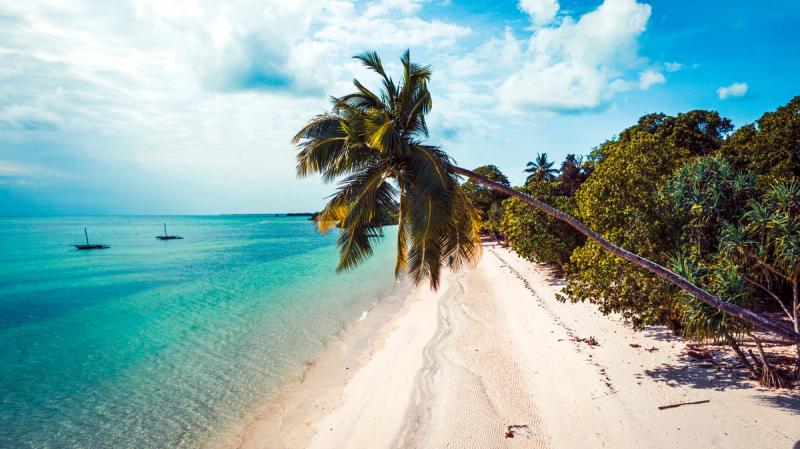
2020 yılında Zanzibar’a 260 644 turist geldi. 2025’te? 917 000’den fazla – ve bu sadece takvim yılının sonuna kadar.
Bu istatistiksel bir gürültü değil. Bu +250% gidişat beş yılda, adayı backpacker’lar için alternatif bir destinasyondan tam teşekküllü, küresel bir premium turizm merkezine dönüştürdü.
Bölgesel medyada aktarılan verilere göre, turist gelişleri sayısı 2024’te yaklaşık 736 binden 2025’te yaklaşık 917 bine yükseldi (yaklaşık +%25 y/y). Aralık 2025’te tek bir ayda 100 binden fazla geliş bildirildi.

Bu, Yatırımcılar ve Emlak Acenteleri İçin Pratikte Ne Anlama Geliyor?
- Kısa dönem kiralama artık “mevsimlik bir merak” olmaktan çıkıyor – Excel’de hesaplanabilen bir piyasa haline geliyor.
- Premium arz sınırlıdır: kıyı şeridi, turistik bölgeler, planlama kısıtlamaları ve prosedürler (ZIPA, izinler) “prime beachfront”ın talep kadar hızlı büyümediği anlamına geliyor.
- Uluslararası müşteriler “güvenli mülkiyet yapısı” istiyor – ve burada Zanzibar’ın net kuralları var: uzun vadeli kiralama (leasehold) freehold yerine.
Hukuki Devrim: Bir Yabancı Gerçekten Zanzibar’da Arazi Satın Alabilir mi?
Yatırımın yapısını anlayabilmen için çürütmemiz gereken en önemli mit budur. İnternette birçok çelişkili bilgi dolaşıyor. İşte gerçek durum 2026 yılı.
Mutlak Mülkiyet Miti (Freehold)
Zanzibar'da kimse için Freehold türünde arazi mülkiyeti hakkı yoktur – ne yerel halk için ne de yabancılar için. Tüm arazi devlete aittir.
Gerçeklik: Standart Leasehold vs. Condominium Act
Yabancı bir yatırımcı olarak satın alımı yasallaştırmak için iki yolun var. Doğru olanı seçmek, paranızın güvenliğini belirler.
- Standart Leasehold (Arazi Kiralaması): Araziyi 33, 66 veya 99 yıllığına kullanma hakkı elde edersiniz. Bu sürenin sonunda sözleşme genellikle yenilenebilir.
- Risk: Eğer araziyi doğrudan yerel bir çiftçiden (veya belirsiz sözleşmeler üzerinden) satın alırsanız, hükümetin işlemi geçersiz kılma riskini alırsınız.
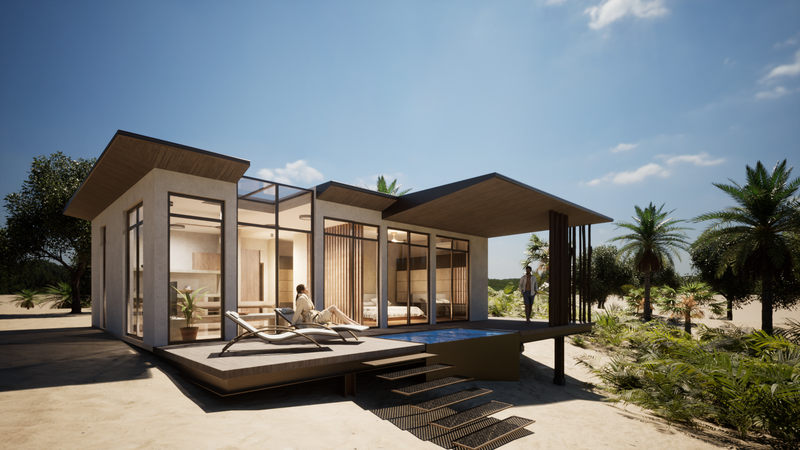
- Kat Mülkiyeti Yasası (Condominium Act): Bu yatırımcılar için bir "game changer"dır. Yabancıların bağımsız bir birim (daire/villa) satın almasına ve Tapu Senedi (Title Deed) ile doğrudan binanın kendisine sahip olurken aynı zamanda arazi kirasında pay sahibi olmalarına olanak tanır.
Globihome'un kilit tavsiyesi: 2026 yılında pasif yatırımcılar için tarafımızca önerilen tek yol, ZIPA (Zanzibar Investment Promotion Authority). tarafından sertifikalandırılmış projelerde satın alımdır. Yalnızca ZIPA, dövizlerin yasal transferini ve yatırımın devlet düzeyinde korunmasını garanti eder.

Zanzibar'da Gayrimenkul Fiyatları – Lokasyona Göre Analiz
Zanzibar tek tip değildir. Her kıyı şeridi farklı bir müşteri ve farklı fiyatlar demektir.
Kuzey (Nungwi, Kendwa): Premium Bölge
Burada okyanus çekilme sırasında "kaçmaz", bu da bu plajları adanın en iyileri haline getirir.
- Özellikler: Lüks 5* oteller, pahalı araziler, kitlesel turizm.
- Kimin için: Büyük portföyü olan yatırımcılar (>300 000 USD), yılda 10-11 ay istikrarlı doluluk arayanlar.
- Günlük fiyat: Daire başına 250 - 800 USD.
Doğu (Paje, Jambiani, Matemwe): Yeni Dalgaların Mekke'si
"Yeni Zanzibar"ın kalbi burada atıyor. Kitesurf, coworking ve gece hayatı.
- Özellikler: Güçlü gelgitler (okyanus yüzlerce metre geri çekilir), ancak bunu eşsiz "boho-luxury" atmosferiyle telafi eder.
- Büyüme potansiyeli: En yüksek. Paje'de arazi fiyatları en hızlı artıyor (yıllık %15-20'ye kadar).
- Yatırım modeli: Özel havuzlu villalar ve kısa dönem kiralamaya yönelik apart oteller.

Güney ve Fumba Town: Yeni Şehir
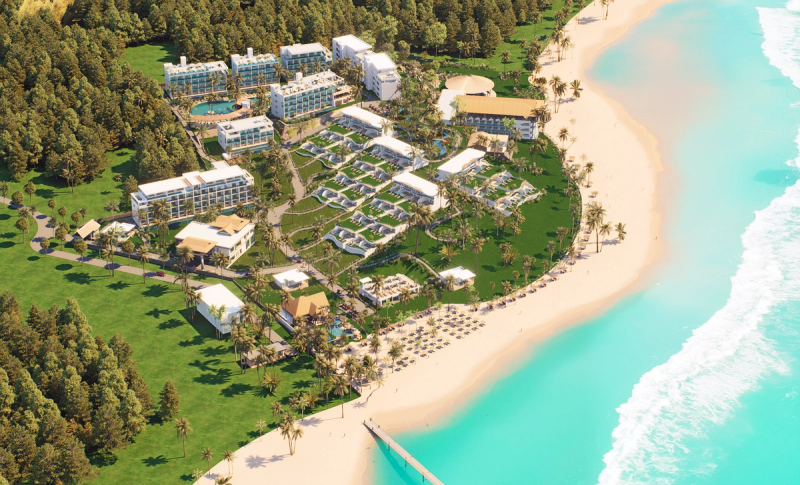
Fumba Town projesi, sıfırdan inşa edilen modern bir yerleşim alanıdır.
- Özellikler: Şehir altyapısı, okullar, güvenlik.
- Kimin için: Kalıcı taşınmayı planlayan expat'ler ve kuzeyde nadir bulunan uzun dönem kiralama (Long-Term Rental) arayan yatırımcılar.
Zanzibar’da Villa, Daire ve Arsa Ne Kadar Tutar – 2026 Gerçek Fiyatlar
“Zanzibar’da” ortalama fiyatları unutun. Piyasa o kadar çeşitlidir ki tek bir rakam vermek yanıltıcı olurdu. İşte gerçek aralıklar:
Daireler
| Typ | Lokalizacja | Cena (USD) |
|---|---|---|
| Studio 30–40 m² | Stone Town | 50 000 – 80 000 |
| 1 sypialnia 50–70 m² | Paje / Jambiani | 80 000 – 150 000 |
| 2 sypialnie 80–120 m² | Nungwi / Kendwa | 150 000 – 280 000 |
| Penthouse z tarasem | Fumba | 200 000 – 400 000 |
Villalar
| Typ | Lokalizacja | Cena (USD) |
|---|---|---|
| 2 sypialnie z basenem | Jambiani | 200 000 – 350 000 |
| 3 sypialnie z basenem | Paje | 300 000 – 500 000 |
| Willa luksusowa 4+ sypialni | Nungwi / Matemwe | 450 000 – 800 000 |
| Willa pierwsza linia brzegowa | Kendwa | 700 000 – 2 000 000+ |
Araziler
| Typ | Lokalizacja | Cena (USD/m²) |
|---|---|---|
| Działka wiejska (bez plaży) | Interior | 20 – 40 |
| Działka w pobliżu plaży | Jambiani / Michamvi | 40 – 80 |
| Działka nadmorska premium | Nungwi / Kendwa | 80 – 120 |

Yatırım Karlılığı – Zanzibar’daki Gayrimenkul Kiralamalarında Getiri Oranları
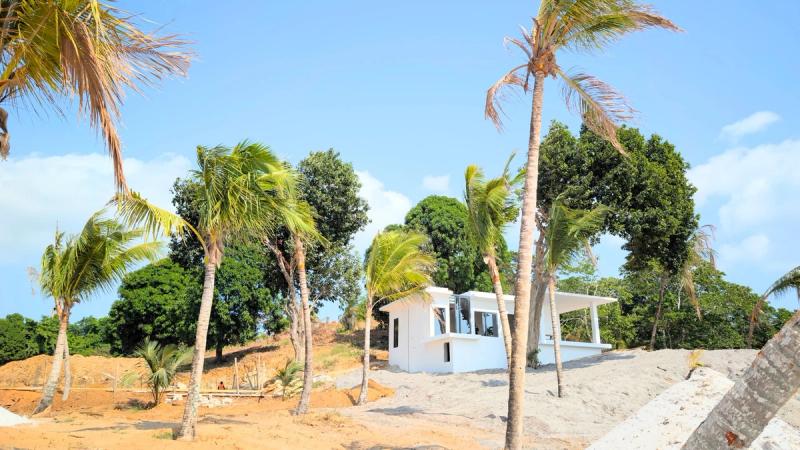
Zanzibar’da kiralama getirileri diğer Hint Okyanusu destinasyonlarını ve Avrupa’daki çoğu tatil pazarını önemli ölçüde geride bırakır. Başarının anahtarı, doğru konum seçimi ve profesyonel gayrimenkul yönetimidir.
Segmente göre kârlılık:
| Segment | Lokalizacja | Rentowność | Średnia stawka noclegowa |
|---|---|---|---|
| Wille luksusowe | Nungwi, Kendwa, Paje | 12–15% | 150–500 USD |
| Apartamenty nadmorskie | Paje, Jambiani | 10–12% | 80–150 USD |
| Apartamenty miejskie | Stone Town, Fumba | 6–8% | 50–100 USD |
Zanzibar’ı diğer destinasyonlarla karşılaştırmak istiyorsanız, güncel gayrimenkul haberlerini şu sayfalarda incelemenizi öneririz: Cyprze Południowym, Dubai, İspanya veya Avrupa’daki diğer ülkeler.

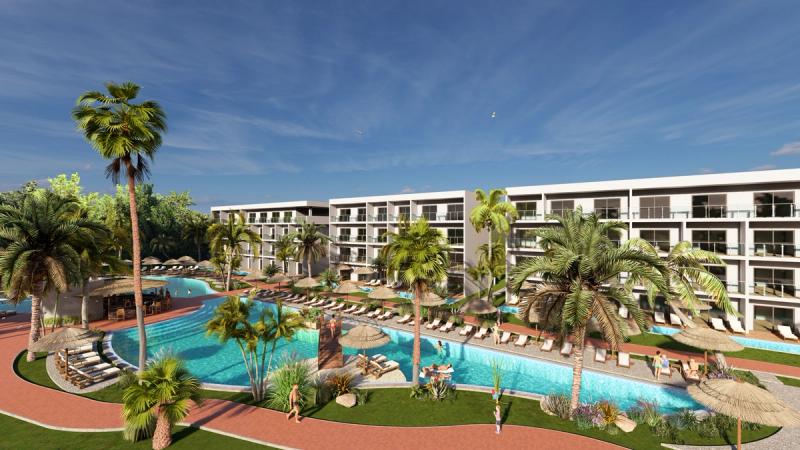
Yabancılar Zanzibar’da Nasıl Gayrimenkul Satın Alabilir?
Yabancılar Zanzibar’da gayrimenkul satın alabilir mi? Evet – ancak uzun vadeli kiralama (99 yıla kadar). Zanzibar, yabancıların bir gayrimenkul edinebileceği az sayıdaki tropik ülkelerden biridir yerel ortak sahibi olmaya gerek kalmadan.
Zanzibar’da mülkiyet sistemi:
Zanzibar’daki tüm arazi devlete aittir. Yabancılar gayrimenkul üzerinde haklarını leasehold (uzun vadeli kiralama) yoluyla 33, 66 veya 99 yıl – süreyle elde ederler – uzatma ve yeniden satış imkânıyla. Leasehold ayrıca miras bırakılabilir, yani mirasçılara devredilebilir.
Zanzibar’da gayrimenkul satın almanın 8 adımı:
- Gayrimenkulün belirlenmesi – lisanslı bir emlakçı ile iş birliği
- Offer to Purchase imzalanması – %10 depozitonun emaneten hesapta yatırılması
- Hukuki durum tespiti – tapu, takyidatlar ve arsa sınırlarının doğrulanması
- ZIPA onayının alınması – Certificate of No Objection (yabancılar için zorunlu)
- Satış sözleşmesinin hazırlanması – yerel bir avukat tarafından (İngilizce ve Svahili dillerinde)
- Vergilerin ve harçların ödenmesi – stamp duty, kayıt harçları
- Kira hakkının tescili – Zanzibar Land Registry’de
- Mülkün teslimi – anahtarların ve belgelerin teslim alınması
Ortalama işlem süresi: 2–3 ay teklifin kabulünden kira hakkının tesciline kadar sürer. Basit işlemler (onaylı projelerde yeniden satışlar) şu sürede tamamlanabilir: 60–90 gün.
Gerekli belgeler:
- Pasaport (noter tasdikli kopya)
- Fon kaynağına dair belge
- Satış sözleşmesi (Sale and Purchase Agreement)
- ZIPA sertifikası (Certificate of No Objection)
- stamp duty ödeme makbuzu
- Tescil edilmiş kira hakkı kopyası
Önemli: Tanzanya ve Zanzibar hukuku önemli ölçüde farklılık gösterir. Zanzibar'ın ayrı bir hukuk sistemi vardır; bu sistem, kıta Tanzanyası'ndan farklıdır. Her zaman Zanzibars hukukunda uzmanlaşmış bir avukatın hizmetlerinden yararlanın. Makalinin sonunda, Zanzibar'da tarafımızca önerilen bir gayrimenkul uzmanının iletişim bilgilerini bulacaksınız. Globihome'dan bahsedebilirsiniz.

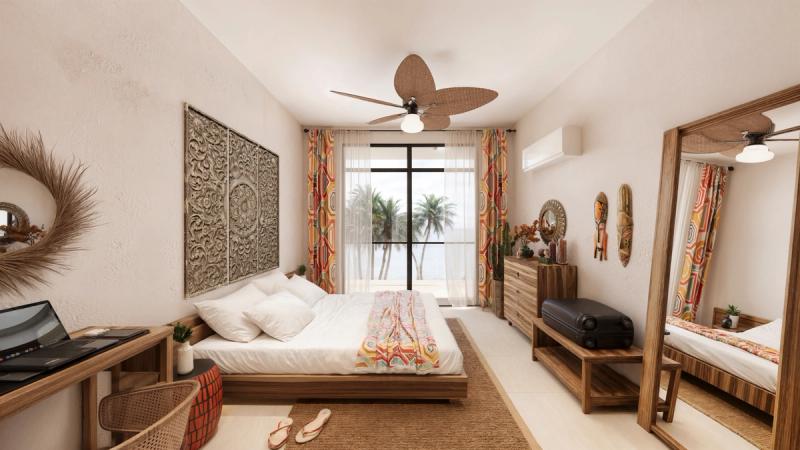
Zanzibar'da Gayrimenkul Satın Alma ve Bakım Maliyetleri
Planlarken Zanzibar'da gayrimenkul satın alımı, işlemle ilgili ek maliyetleri 6–12% oranında mülk değerine göre hesaba katın.
İşlem maliyetleri:
| Koszt | Stawka |
|---|---|
| Stamp duty (opłata skarbowa) | 5% wartości nieruchomości |
| Opłaty rejestracyjne | 1–2% |
| Honorarium prawnika | 1–3% (minimum ~500 USD) |
| Wycena i inspekcja | 300–600 USD |
| Opłata ZIPA | 200–500 USD |
Yıllık bakım maliyetleri:
| Koszt | Stawka |
|---|---|
| Opłata za leasehold (ground rent) | 1–5 USD/m² rocznie (zależnie od lokalizacji) |
| Ubezpieczenie nieruchomości | 0,15–0,35% wartości |
| Zarządzanie wynajmem | 20–25% przychodu z najmu |
| Utrzymanie apartamentu (media, sprzątanie) | 100–200 USD/miesiąc |
Golden Visa Zanzibar – Zanzibar’da Oturma İzni Nasıl Alınır
2024 yılının ortasından itibaren Zanzibar şunu sunuyor Class C11 Real Estate Residence Permit – halk arasında yaygın olarak Golden Visa Zanzibar. Program, gayrimenkule yatırım karşılığında oturma izni alınmasını sağlar.
Golden Visa Zanzibar Programının Koşulları:
| Element | Szczegóły |
|---|---|
| Minimalna inwestycja | 100 000 USD w projekcie zatwierdzonym przez ZIPA |
| Okres ważności | 2 lata (odnawialny automatycznie przy utrzymaniu własności) |
| Opłata za wydanie | ~550 USD (300 USD dla obywateli EAC) |
| Objęte osoby | Inwestor + małżonek + do 4 dzieci |
| Prawo do pracy | Nie (pozwolenie pobytowe, nie pracownicze) |

SSS – Zanzibar’da Gayrimenkul Satın Alımı Hakkında Sık Sorulan Sorular
Özet: Zanzibar’da Gayrimenkul Satın Almaya Değer mi?
Zanzibar’daki gayrimenkul piyasası 2026 yılında, onu uluslararası yatırımcılar için cazip kılan benzersiz bir etken birleşimi sunuyor. Ada, bir dönüşüm geçirdi lüks bir premium destinasyona ve Karayip tatil beldeleriyle karşılaştırılabilir hale geldi.
Zanzibar – Gayrimenkul Yatırımının Başlıca Avantajları:
- Rekor turizm: 2025 yılında Zanzibar, 25% artışla 2024 yılına kıyasla 917 000 uluslararası turisti – ağırladı. Tahminler, ziyaretçi sayısının 1 milyonu aşacağını gösteriyor.
- Yüksek getiri oranları: Deniz kenarı villalar 12–15% yıllık kârlılık ile kısa dönem kiralamadan gelir sağlıyor.
- İstikrarlı değer artışı: Gayrimenkul fiyatları ortalama olarak artıyor yıllık %7–10, premium lokasyonlarda (Nungwi, Paje) hatta %10–15.
- 99 yıllık leasing sistemi: Yabancılar, yerel bir ortak olmadan gayrimenkul satın alabilir – tropik ülkelerde nadir görülen bir durum.
- Golden Visa: Bir yatırım 100 000 USD onaylı bir projede 2 yıllık oturma izni (yenilenebilir) hakkı verir; bu izin eşinizi ve en fazla 4 çocuğu kapsar.
- Dinamik altyapı gelişimi: Abeid Amani Karume uluslararası havaalanının modernizasyonu (Terminal 3), yeni yollar ve anakarayla feribot bağlantıları.
Turizm şu anda Zanzibar’ın GSYİH’sının yaklaşık 30%’unu, oluşturuyor ve bu sektör doğrudan veya dolaylı olarak binlerce kişiye istihdam sağlıyor. Hükümet, Zanzibar Investment Promotion Authority (ZIPA) aracılığıyla vergi indirimleri ve sadeleştirilmiş prosedürler sunarak yabancı yatırımları aktif olarak destekliyor.
Globihome’da Zanzibar’daki yerel gayrimenkul uzmanlarıyla çalışıyoruz. Eğer Zanzibar’da gayrimenkul satın almayı planlıyor ve güvenilir ajan ve danışman iletişimleri arıyorsanız, bizimle iletişime geçmenizi bekleriz. Ortağımız, hedeflerinize uygun bir mülk bulmanıza yardımcı olacak